35 Essential Things to Know Before Visiting Japan – 2026

The first time visiting any new country can be both exciting and scary. Our (my daughter and I’s) first visit to Japan was also our first trip to Asia. So while we were thrilled for the experience, we were also a bit nervous about what to expect. I did a ton of research to try to figure out all of the things to know before visiting Japan for the first time. And still there were a bunch of things that didn’t really come up until we got there and actually experienced it first hand.
So I put this list together to help you avoid the rookie mistakes of a first-time visitor to Japan, so you can have the best experience possible.
Whether you’re traveling solo, with family, or squeezing a dream trip with friends into limited vacation days, these are the 35 essential things to know before visiting Japan for the first time —based entirely on what helped me plan for our trip and what I learned while we were there.

I’ll also share what made the biggest difference for us as first-time visitors, especially traveling as a mom and teenager traveling together.
From spotless streets without trash cans to a train system that actually runs like clockwork (umm…take notes SEPTA!), Japan is full of surprises. Mostly good, but some that could easily catch you off guard if you’re not prepared.
I’m hoping this list will help make sure your first Japan adventure is as stress-free, respectful, and amazing as possible.
Transportation & Planning
1. Japan’s train system is huge and extremely efficient, which makes day trips incredibly doable.
It’s not just that the trains are punctual—it’s how many places they can take you. Japan’s transit system opens up a lot of the country. We used Tokyo as our home base and did day trips to Mt. Fuji and even Kyoto. Had we realized just how much ground we could cover so easily, we would’ve planned more.

When you’re building your itinerary, don’t limit yourself to just one city. With Japan’s network, you can see a lot—even with limited time.
2. Book the Shinkansen (Bullet Train) in advance—and request a Mt. Fuji side seat.
The Shinkansen is fast, comfortable, and surprisingly easy to navigate. If your trip includes a ride on the bullet train, make sure to book your seat ahead of time—and ask for the Mt. Fuji side. We saw better views of the mountain from the train than we did when we were actually on our Mt. Fuji tour (thanks to cloud cover)!

You won’t get this incredible view if you are on the wrong side of the train!
We booked a private one-day Kyoto tour with a guide who picked us up from our hotel in Tokyo and took care of everything—from the train tickets (on the correct side of the train) to getting us back at the end of the day.
👉 Check out the exact Kyoto day tour we used—it was absolutely worth it.
👉 Also see my full One Day Kyoto Itinerary to get a feel for what’s possible in just 12 hours.
3. Tokyo is huge—give yourself time, and choose your home base wisely.
Tokyo isn’t just a big city—it’s a huge network of neighborhoods, each with its own vibe. We definitely underestimated how long it would take to explore all of them, and 2 or 3 days definitely won’t be enough time for you to it all.
Doing some research in advance will help you figure out which neighborhoods actually match what you want to experience—because unless you have weeks, you won’t be able to cover everything.

If your plan is to stay in Tokyo for all or part of your trip, picking the right area to base yourself matters more than you might think. We stayed in the Shinjuku neighborhood and absolutely loved it. But I put together a guide to help you decide which Tokyo neighborhood is right for you based on what kind of experience you’re after—check it out here.
That kind of planning was especially helpful with a teen—knowing which neighborhoods we actually wanted to see kept us from trying to cram too much into a single day and made the whole experience feel more manageable.
👉 BTW, my 2-Day Tokyo Itinerary can help you plan without overloading your schedule.
And, want to figure out how your travel personality fits into all this? Take my Tokyo Travel Style Quiz to find your vibe match. 👇👇
4. Use luggage forwarding and train station lockers to lighten your load.
We traveled light during day trips by using station lockers, and had our luggage sent ahead to our next hotel when changing cities. These services (like this one HERE) are efficient and affordable—and an absolute game-changer when navigating stairs, packed trains, or tight hotel rooms.
Language & Communication
5. Download a translation app before you land.
We used Google Translate occasionally—especially in taxis. Not all drivers spoke English, and we definitely don’t speak Japanese. The app helped us explain where we wanted to go and made those conversations smoother. It also came in handy when we were ordering food or reading signs in places where English wasn’t common.
6. Uber works in major cities—and it’s a smooth experience.
We used Uber a few times in Tokyo, and it was seamless. The app handles all the communication and payment, so you don’t have to explain your destination or worry about carrying cash. It’s not available everywhere, but in big cities, it’s a great backup when you’re not sure how to navigate a local taxi.
7. Staying connected is key—have a plan for mobile data.
We used Verizon while in Japan, and it was pretty reliable across most of the places we visited. But if your network is known to be spotty internationally—or the cost of roaming is too high—a tourist SIM card is a smart move. It’s especially important for navigating maps, checking train schedules, and using translation tools when you’re out and about.
And as you can imagine, reliable data was extra important with a teen who likes to stay connected with friends back home even while on vacation with her super fun and cool mom. 😬 Plus, it gave me peace of mind in case we got split up or anything.
Etiquette & Culture
8. No need to tip—really.
This one might feel a little strange at first, especially if you’re used to tipping for everything at home. But in Japan, tipping isn’t part of the culture. Exceptional service is the standard, not something extra you have to pay for.
In fact, leaving a tip can cause confusion or even a little offense. We just paid the listed amount and said a sincere “thank you”—and that felt like exactly the right thing to do every time.
9. You’ll notice how clean everything is—without a single trash can in sight.
Japan is spotless. And I mean spotless. Parks, sidewalks, train stations—it’s hard to find litter anywhere. But you’ll also notice how rare public trash cans are. Most people carry their trash with them and toss it when they get home or find a bin near a convenience store.
We started keeping a small plastic bag with us in my crossbody bag, and it made things way easier. Just something to think about when you’re unwrapping snacks on the go.
10. You may need to remove your shoes before entering certain restaurants.
After a long, sweaty day of sightseeing, we went to sushi restaurant at our hotel. Turns out it was a really nice restaurant (Kyubey at Keio Plaza Hotel), and very traditional. We had to take off our shoes and leave them by the door. Thankfully we had socks on, otherwise we’d have felt really bad about walking with our sweaty feet on the restaurant floors.

Anyway, the learning here? Be prepared with a clean pair of socks in your bag just in case. You don’t want to get caught off guard walking around barefoot in a public place. Unless that’s your thing.
11. Keep things quiet on public transportation—it’s just how things are done.
When you visit for the first time, you notice that the trains in Japan are eerily quiet in the best possible way. People tend to read, scroll on their phones, or just zone out. We quickly realized how unusual it felt to hear loud conversations, especially in English.
So we leaned into it—kept our voices low and appreciated the calm. It’s a small way to be respectful, and honestly, the quiet can be a really welcome break when you’re running around all day.
12. Lines are a quiet ritual—just follow the flow.
One of the first things we noticed is how naturally people line up for everything—from elevators to escalators to train doors. There’s rarely a sign or staff directing it; everyone just quietly falls in line. No crowding, no rushing. It’s subtle, but it really sets the tone for how things work in Japan.
We found it kind of refreshing—and honestly, it made moving through busy spaces feel a lot more civilized.
13. Don’t point at people or things.
This might seem small, but pointing at people or places with your finger can come off as rude. In Japan, it’s more polite to gesture with your whole hand. We didn’t always remember at first, but once we caught on, it felt like one of those simple switches that says, “Hey, I’m trying to be respectful here.” Plus, it’s a good reminder to slow down and be more aware of how we communicate nonverbally.
14. Pack for comfort—but keep it respectful at cultural sites.
Japan isn’t overly strict about dress, but you’ll definitely stand out (in a not-great way) if you show up at a temple or shrine in something too revealing. We mostly wore casual, breathable clothes, but I was glad to have a scarf or light cardigan handy when we visited more traditional spots. It’s not about being covered head-to-toe—it’s just about matching the tone of the place you’re in.

Safety, Cleanliness & Convenience
15. Japan feels safe—and that changed how we travel.
We walked through big cities at night, rode packed trains, and left our bags at restaurant tables (well, just once)—all without stress. And coming from an area where the closest major city is Philly, that felt reeaaallyy strange! There’s a general sense of safety in Japan that takes a huge mental load off, especially if you’re traveling solo or with kids.
Of course, it’s still a good idea to stay aware and keep your valuables close, but it’s nice to be in a place where safety isn’t something you’re constantly calculating.
16. Public restrooms are clean, high-tech, and everywhere.
This was such a pleasant surprise. I’m notorious for holding my bladder to near bursting just to avoid a gross public bathroom.
But in Japan, you’ll find bathrooms in train stations, parks, department stores, and they’re consistently clean—like, actually clean. Many even have heated seats, bidets, and noise-masking features. (I didn’t use those features – I hover, no matter what! – but they were cool to see. 🚽 )
It’s one of those little things that makes moving around all day feel easier and less stressful.
17. Not all ATMs are created equal—plan ahead for cash.
Japan is moving toward cashless payments, but you’ll still need yen for certain places—especially small restaurants or temples. However, not every ATM takes international cards.
We had the best luck at 7-Eleven stores and Japan Post branches. If you’re worried, you can also exchange some cash at the airport so you’re not scrambling later.
18. You’ll see vending machines… literally everywhere.
They’re on almost every corner—serving cold drinks, hot tea, coffee, snacks, even soup. We ended up grabbing drinks from vending machines almost daily, especially during hot afternoons. It’s one of those unique little conveniences that makes being out and about more fun.

The buttons were in Japanese, which meant that I often ended up with an unsweetened green tea, or something else I didn’t love, but it was still cool to have all of those convenient options all around.
And having them around freed us up a bit. We could grab comparatively cheap things to eat on the go, so we didn’t have to build in as much time for eating as we usually do on vacation. Just keep in mind that it is not really polite to walk around while eating in Japan. So if you do grab something, find a bench to sit and eat quickly, or stay still by the machine.
19. Convenience stores live up to the name.
7-Elevens and FamilyMarts are everywhere, and they’re next-level. These aren’t just places for snacks—they’ve got full meals, ATMs, phone chargers, even clothing basics. We stopped in a few times for everything from rice balls to bandaids. If you’re traveling light or just need a break, these stores are an absolute go-to.
Plus, even the convenience store in our Tokyo hotel, Keio Plaza Hotel, was fully stocked. The convenience stores in Japan simply put the ones I’m used to (I’m looking at you Wawa and 7-11) to shame!
✅ BTW, if you want to know why we chose (and loved!) Keio Plaza Hotel as our homebase hotel in Tokyo, you can read about our experience here.
Seasons & Crowds
20. Cherry blossom season is stunning—but it comes with a serious crowd crush.
We didn’t travel during sakura (cherry blossom) season, but almost every local we met had something to say about it—and not all of it was positive. Yes, the cherry blossoms are beautiful. But the crowds? Next level. Trains get packed, hotel prices skyrocket, and the peaceful moments you might be imagining can be hard to come by.
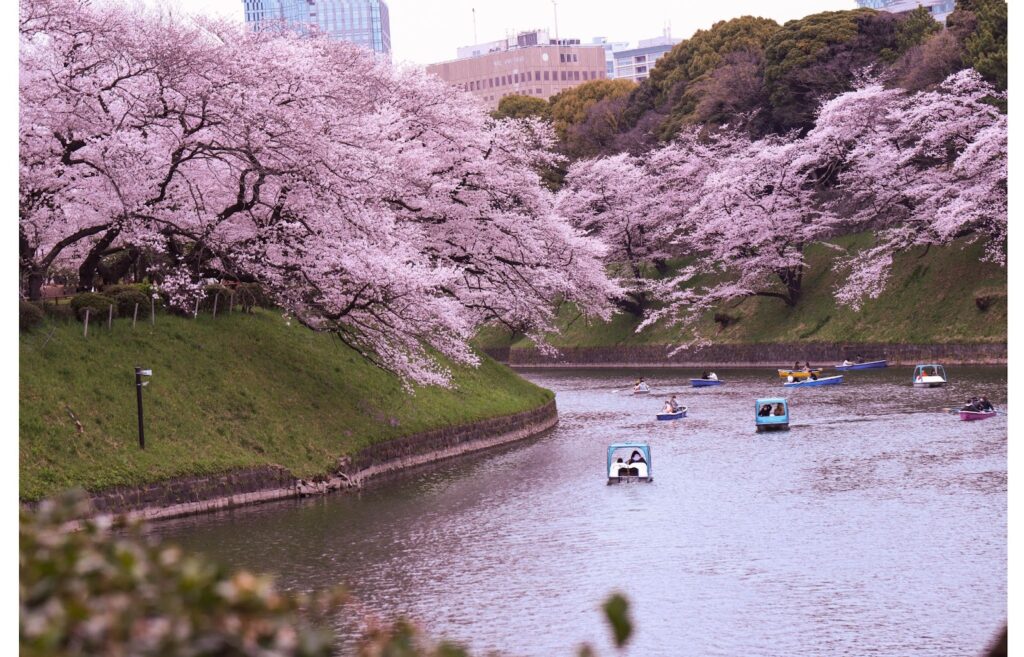
If the blossoms are a bucket list thing for you, go for it—but know what you’re signing up for.
21. Visiting off-season has its own magic.
We went in June, and while it wasn’t “peak season,” it was still incredible. No huge crowds, more flexibility with bookings, and we got to see a quieter side of places that are usually swamped.
Don’t feel like you have to aim for spring to experience Japan at its best. Fall, early summer, and even winter all have their own unique appeal—and fewer people.
22. Check Japan’s holiday calendar before you book.
More than for anyone else, as a first time visitor to Japan, you’ll want to research whether the time you want to travel aligns to a major local holiday. Golden Week (late April–early May), Obon (mid-August), and New Year’s are national holidays that can completely change the feel of your trip. Trains are packed, businesses may close, and accommodations get booked out. It doesn’t mean you can’t go—but knowing what to expect helps you plan smarter and avoid surprises.
What Not to Do
23. Talking on the phone in public transport is a no.
You’ll notice it right away—trains and buses are quiet. Like, whisper-level quiet. It’s not just politeness; it’s part of the unspoken social rules. If you need to take a call, step off at the next stop or wait until you’re in a less confined space. Texting or scrolling is totally fine—just keep the volume off.
24. Eating while walking is frowned upon.
This is worth its own call out. There’s a rhythm to daily life in Japan, and part of it is slowing down to eat. You’ll see people standing near food stalls to finish their snacks, but not munching while walking down the street. We adjusted pretty quickly—just paused on a bench or by a vending machine to eat, then kept going.
25. Don’t blow your nose in public if you can help it.
Sniffling is common. Blowing your nose in public? Not so much. If you’re battling allergies or a cold, try to find a restroom or a private corner. We packed a stash of tissues and were grateful to have them more than once.
26. Don’t take photos in shops or cultural spaces without checking first.
While taking photos feels like second nature when you’re traveling, there are places in Japan where it’s not allowed—even if they look like Instagram gold.
We saw “no photography” signs in several cute shops in the Omotesando Hills Mall. I was so wrapped up in taking pictures that I didn’t notice the signs at first. I didn’t delete the photos I’d already taken, but once I realized, I put my phone away out of respect.

Shops often set these rules to protect the privacy of their customers and staff, to guard their store’s unique design or layout, or simply because they want visitors to be present in the space rather than documenting it.
You’ll sometimes see similar restrictions in some shrines, temples, or family-run restaurants. If you’re unsure, just look around—or ask first.
27. Don’t assume everything is open late.
Coming from a 24/7 culture, we had to adjust to Japan’s earlier hours. Many restaurants and shops close by 8 or 9 p.m., even in major cities. Plan your dinners accordingly—and don’t count on strolling into a pharmacy or café late at night.
28. Don’t expect fluent English—learn a few helpful phrases.
English isn’t a guarantee, especially outside of big cities. A few simple phrases helped us a lot, and locals seemed to really appreciate the effort:
- Sumimasen (soo-mee-mah-sen) – Excuse me
- Arigatou gozaimasu (ah-ree-gah-toh goh-zai-mas) – Thank you very much
- Eigo o hanasemasu ka? (eh-ee-goh oh ha-nah-seh-mas kah) – Do you speak English?
- Kore o kudasai (koh-reh oh koo-dah-sai) – I’ll take this one
Pair these with a smile and Google Translate, and you’ll be just fine.
Budgeting & Payments
29. Japan isn’t cheap—but it’s not outrageous either.
We found Japan to be more affordable than expected in some areas (hello, convenience store meals!) and pricier in others (local transportation and some nicer restaurants). It helped us to decide early where we wanted to splurge and where we could save.

With a bit of planning, you can travel comfortably without breaking the bank—and still enjoy standout meals and a few guided experiences.
30. Cash is still widely used—carry some yen.
Credit cards are becoming more common, but cash is still king in a lot of places—especially in rural areas, smaller restaurants, and local shops. We made sure to always have some yen on hand, just in case. 7-Eleven ATMs were our go-to since they consistently worked with international cards.
31. Use the money tray when paying—it’s a subtle sign of respect.
At shops and restaurants, you’ll often see a small tray on the counter. That’s where you’re expected to place your payment, and where your change will be returned.
It might feel odd at first, but we quickly got used to it—and appreciated how doing this small gesture could help us show how that we were trying to be respectful of the culture.
32. Modest, practical fashion helps you blend in.
You don’t need to buy a whole new wardrobe, but Japan leans more conservative in everyday dress. Even in summer, most people avoid super revealing outfits. Lightweight layers and comfortable walking shoes will take you far. We felt more comfortable (and got fewer curious looks) when we dressed with that in mind.
Tours & Experiences to Book Early
33. Don’t wait until the last minute to book—Japan is always busy.
Japan’s popularity isn’t limited to cherry blossom season. Tourist numbers are high year-round, especially in major cities and iconic spots like Mt. Fuji, Kyoto, and Nara.
Whether it’s booking a guided tour, reserving a dinner spot, or choosing your Shinkansen seat, don’t assume things will be available last minute. Planning ahead gave us more options, better seats, and less stress.
💞 Take a look at some of the most popular Japan tours for Tokyo, Kyoto, and Osaka here and book early so you can see and do what you want, without having to compromise! 💞
34. Choose a few standout experiences to anchor your trip.
It can be tempting to keep things flexible, but we found that locking in one or two key experiences per city helped structure our days and gave us something to look forward to.

One of our favorites? A private day trip to Kyoto where the guide handled everything—from hotel pickup in Tokyo to booking the right Shinkansen seats.
👉 Here’s the exact Kyoto day tour we did.
👉 Check out my One Day Kyoto Itinerary to see what made it so special.
35. Book your must-do experiences early—they really do sell out.
Whether it’s a street food tour, a hands-on cultural workshop, or a private day trip to Mt. Fuji, the most popular experiences in Japan fill up fast.
We saw this especially with anything that had limited group sizes or a seasonal draw. Booking early helped us avoid missing out and gave our itinerary a little more structure—without overplanning the whole trip.
💞 Check out this Mt. Fuji day trip and this Tokyo food tour to get started. 💞
👉 And you can read about our own Mt. Fuji experience HERE.
OK! So that’s everything I wish I’d known before our first trip to Japan—35 tips that genuinely made our experience better. Some were small (like packing socks for sushi restaurants), some were huge (like booking key experiences in advance), but all of them helped us move through the country with more confidence and less friction.
What made the biggest difference for us, especially as a mom traveling with a teenager, was having the right structure without over-planning. Locking in a few key experiences gave our days direction, while the rest stayed flexible enough to explore based on energy, mood, or just whatever we stumbled into.
And knowing some of these cultural nuances ahead of time made the whole trip feel smoother, easier, and more connected.
If you’re planning your own first trip to Japan, start locking in your big, must-do experiences early—they’ll fill up fast and you don’t want to miss out!
💞 Take a look at some of the most popular Japan tours for Tokyo, Kyoto, and Osaka here. 💞
👉 Or jump straight into my Kyoto day trip and 2-day Tokyo itinerary for tested travel plans.

