
Key Things to Know About Visiting Lisbon for First-Timers
Before my visit, I kept searching for the key things to know about visiting Lisbon as a first-timer. But after spending time there on my own, I realized there are a lot of small details that can make your trip feel easier from the start.
First things first – I LOVED Lisbon. And I think you will, too. Lisbon has a relaxed energy, great food, and neighborhoods that are simple to explore, but it also has steep hills, slick cobblestones, and weather that can shift quickly throughout the day.
Knowing what to expect helps you settle in faster and enjoy the city without feeling caught off guard.
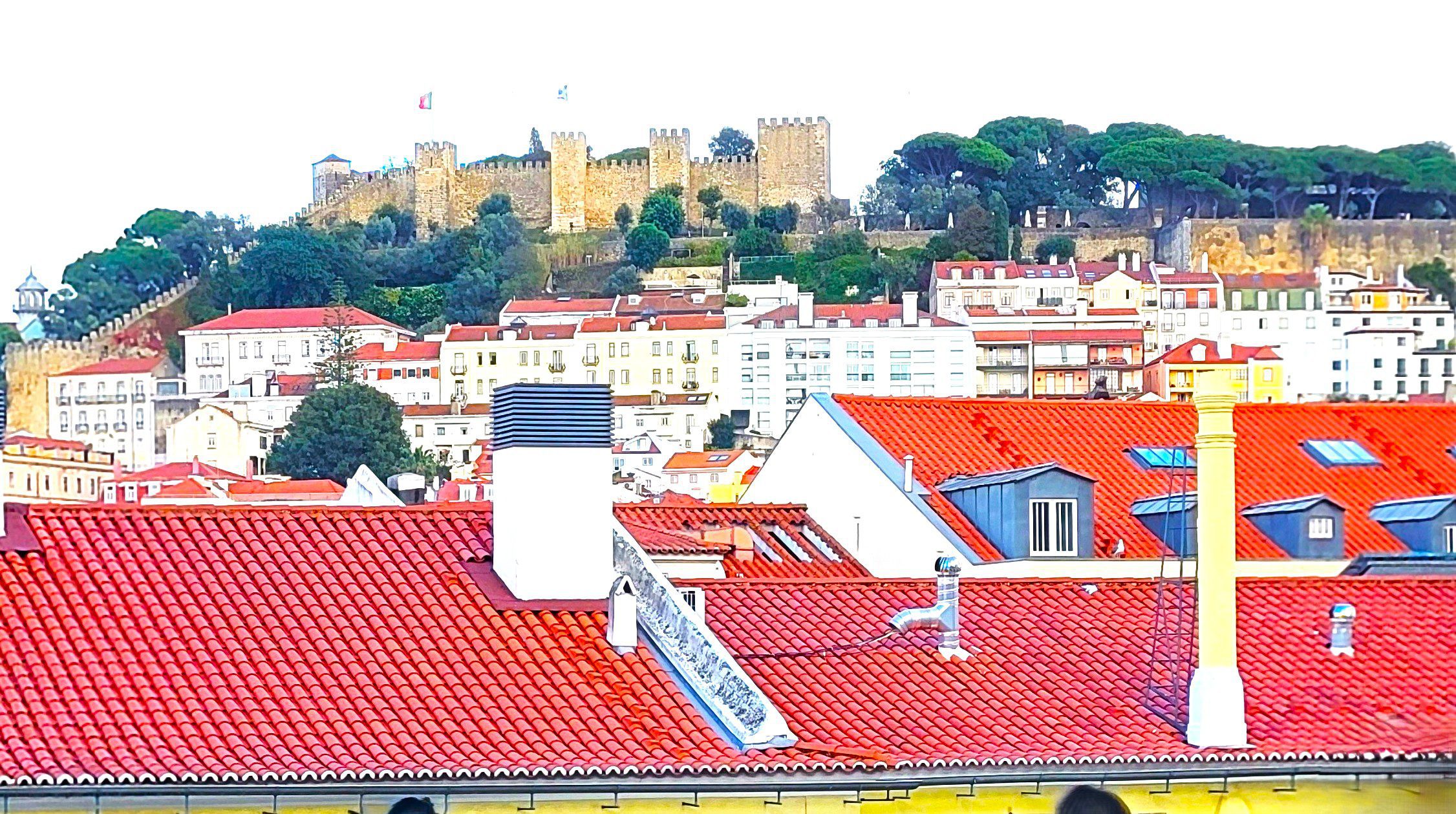
Lisbon At-a-Glance
- 8.52 million visitors in 2024 (6.5M international, 2M domestic).
- Home to two UNESCO sites: Belém Tower and Jerónimos Monastery.
- One of Europe’s sunniest capitals with ~280 days of sunshine a year.
- Peak season: May–September. Shoulder season is increasingly popular.
- Lisbon is built on seven hills, which is why the views are so good.
- Public transportation is extensive (metro, trams, buses, ferries).
- Cards widely accepted, but carry some euros for small cafés.
Understanding Lisbon’s Overall Vibe
Before my trip, I wasn’t totally sure what to expect from Lisbon. Some cities feel intense right away, and others take a while to understand.
Lisbon wasn’t like that. It didn’t take long for me to feel comfortable—partly because the city moves at a relaxed pace, and partly because the neighborhoods are easy to get around once you’re on the ground.
I spent a lot of time walking by myself, and even on the busy days or later evenings, the city still felt calm and manageable.
What First-Time Visitors Can Expect
Lisbon has this combination of old, detailed architecture and everyday life happening right around it. People sit in the squares, families gather at cafés, and there’s always something happening without feeling chaotic.
As a first-timer, I didn’t feel out of place at all. I could wander without a plan, and the city still felt easy to understand. You pick up on the flow pretty quickly.
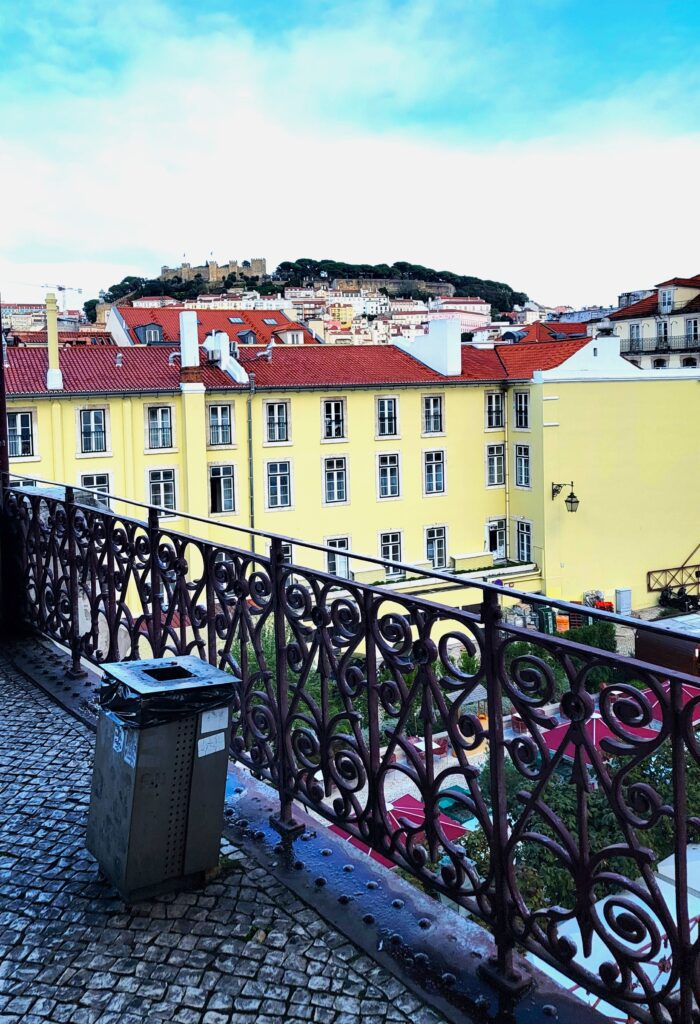
What helped me settle in was how intuitive the city felt once I started exploring. The squares break things up, the waterfront helps you know which direction you’re heading, and the neighborhoods have their own personalities without being overwhelming.
Even on the days when my GPS wasn’t cooperating and I had to rely on street signs, I never felt lost in a stressful way. Lisbon has enough structure to help you feel grounded, but enough interesting stuff going on so that you can just enjoy wandering.
Walkability, Hills, and Cobblestones
I walked almost everywhere during my time in Lisbon, and it became clear pretty quickly that the city is both incredibly walkable and surprisingly challenging at the same time.
Some neighborhoods, like Baixa, are flat and easy, while others can have you climbing up steep streets before you even realize what’s happening. The combination of hills and slick cobblestones makes comfortable shoes an absolute must.
How Walkable the Main Neighborhoods Are
Lisbon’s central areas are great for walking. Baixa was especially easy because it’s flat, well-lit, and close to so many sights. Chiado and parts of the waterfront also felt straightforward, and I never felt like I needed to rely on transportation just to get around. Even if you’re new to the city, it doesn’t take long to figure out the general layout.
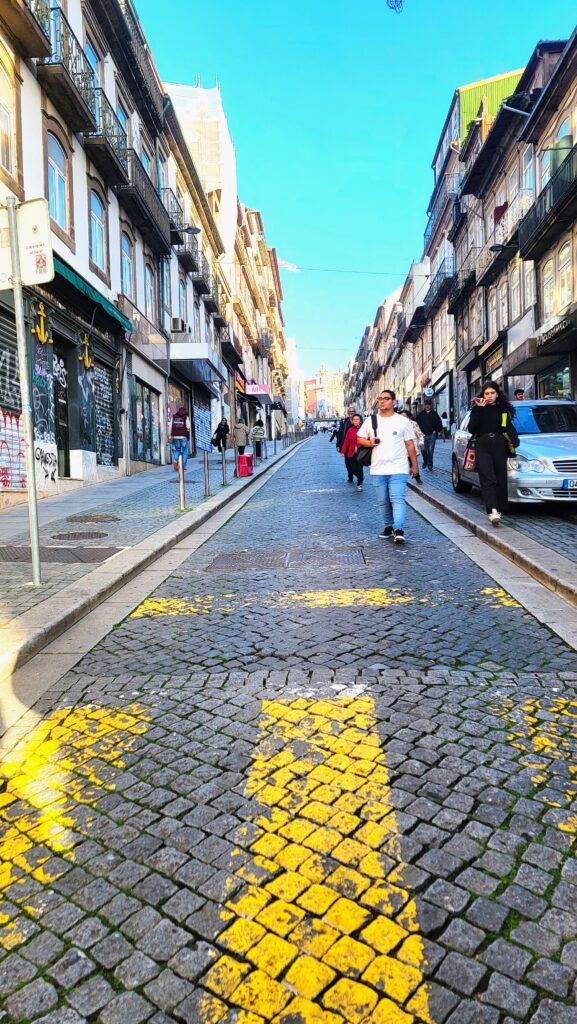
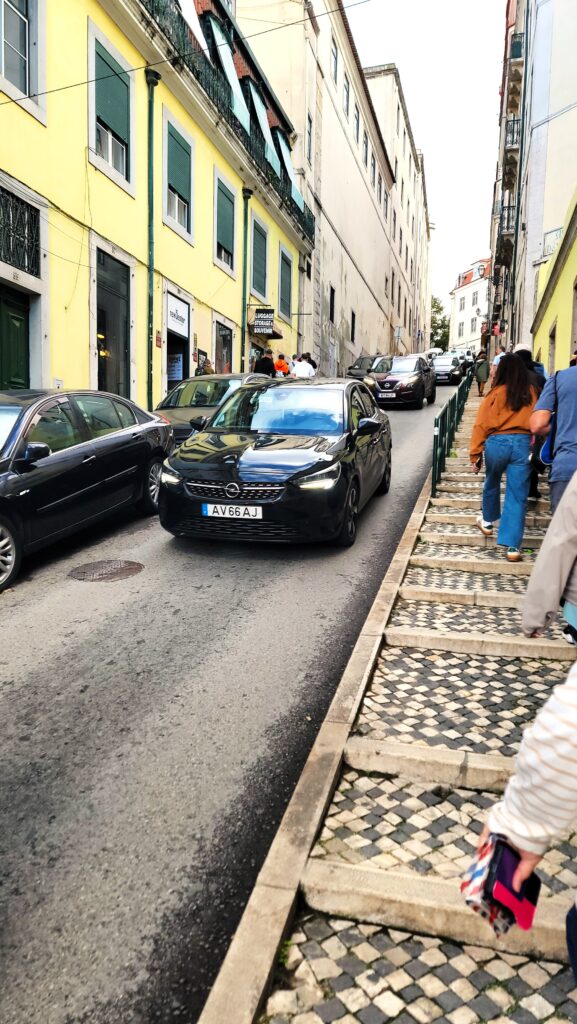
BUT DON”T GET IT TWISTED! The hills are REALLL, and they can catch you off guard if you’re not prepared. Some streets look manageable from a distance and then suddenly turn into steep climbs. I avoided the more intense hills when I could, but even the everyday uphill sections added up.
If you’re not someone who’s used to hiking up and down hills, choosing the right neighborhood, planning your routes, and knowing when to hire a tuk tuk or Uber helps a lot!
And Don’t Forget the Cobblestones
The cobblestone sidewalks are beautiful, but they can be slippery and uneven, especially when it rains. I noticed this most in the older neighborhoods, where the stones are more worn.
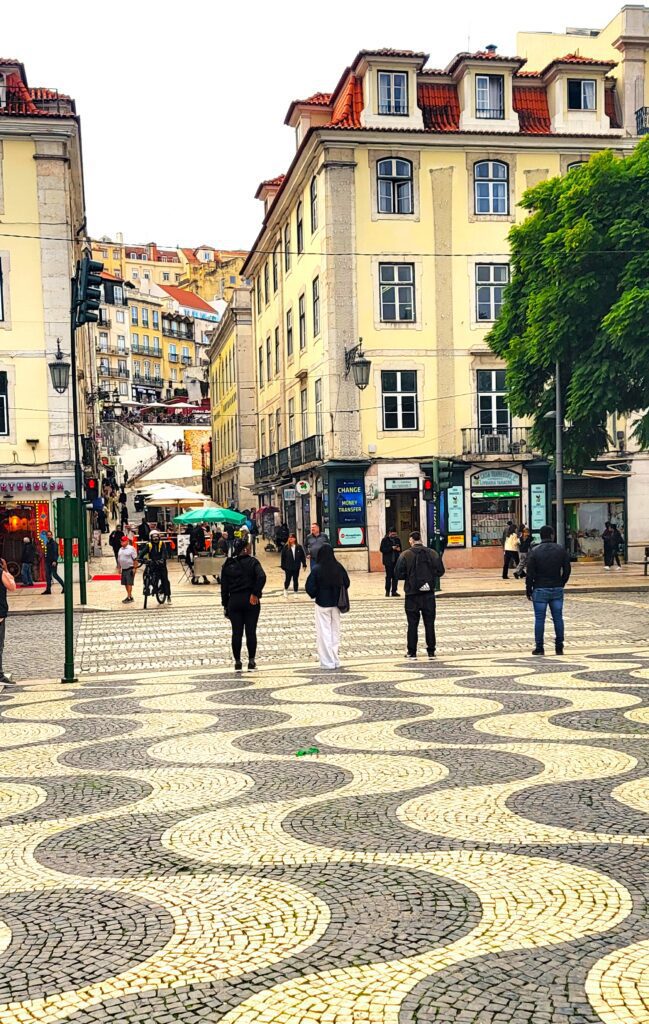
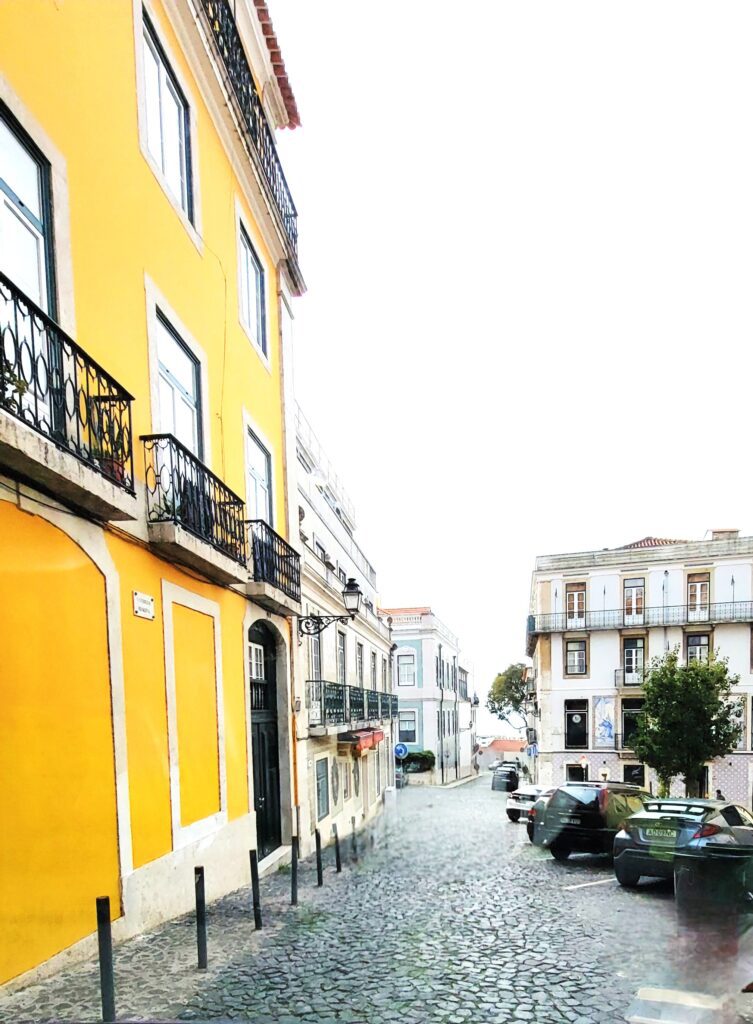
Good shoes with solid grip make a big difference. There were a few times when I had to slow down just to feel steady, and I was really glad I wasn’t wearing anything flimsy or smooth-soled.
Weather and Seasonal Factors
One thing that stood out during my trip was how much the weather could change throughout a single day. It wasn’t dramatic or extreme, but it changed often enough that I was glad I came prepared.
Mornings and afternoons didn’t always match, and different parts of the city had slightly different moods depending on the time of day. It’s not the kind of weather that ruins a day, but it helps to be ready for it. Knowing what to expect makes packing—and planning—so much easier.
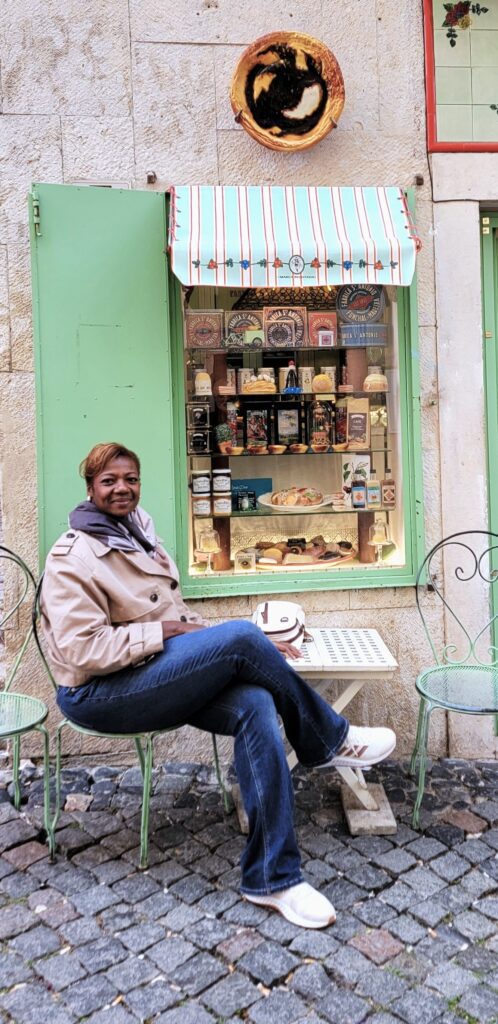
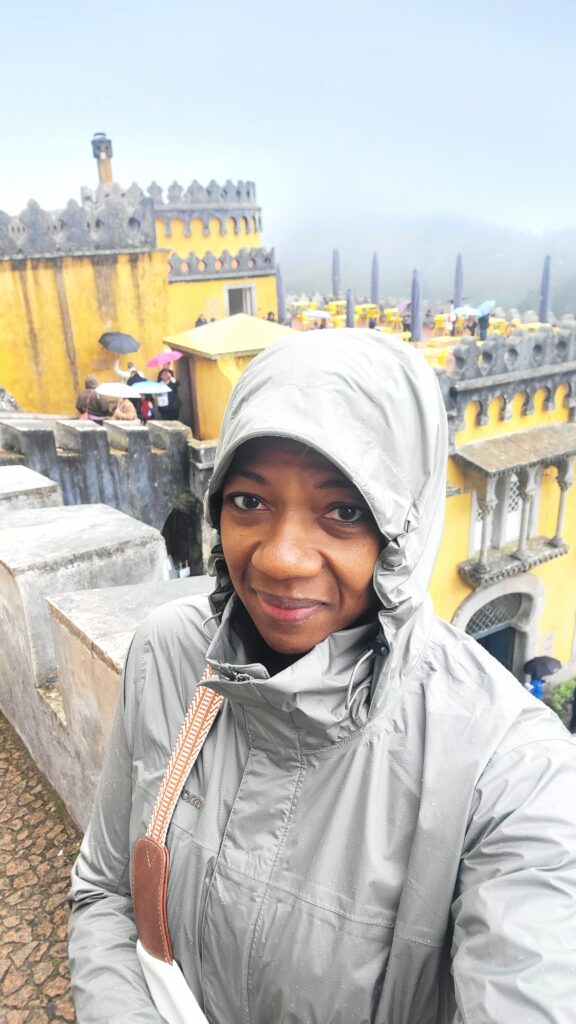
Layers were the most useful thing I brought. A light jacket, something for wind, and comfortable clothing made a big difference.
If you’re planning to visit viewpoints or spend time near the water, having a layer you can easily add or remove helps a lot. And if you plan to take a day trip outside Lisbon—especially somewhere with changing elevation—having rain gear handy is a smart move.
What Moderate vs. High Season Looks Like
I visited in November, which I learned is part of Lisbon’s “moderate season.” It definitely didn’t feel like a low season—the city was busy, tours were full, and restaurants were active.
High season is even busier, with bigger crowds and warmer temperatures. If you prefer a little more space and slightly cooler weather, fall can be a really nice time to visit.
As for me, I really loved the lowkey feel of fall.
Language and Communication Basics
One thing I appreciated about Lisbon is that it’s easy to communicate even if you don’t speak Portuguese. I never felt out of place or unsure of how to ask for help. That said, there were a few moments where having a translation app ready made things a little smoother, especially in the more residential neighborhoods.
Where English Is Common
In the central areas—Baixa, Chiado, the waterfront, and most places visitors spend time—almost everyone I interacted with spoke English. Restaurants, shops, tour guides, and hotel staff were all easy to communicate with, and I never felt stuck. Even when I was ordering food or asking for directions, English was more common than I expected.
When You’ll Need a Translation App
Outside of the main areas, I noticed more places where English wasn’t as common. This came up the most in parts of Alfama, on side streets, or in smaller local spots.
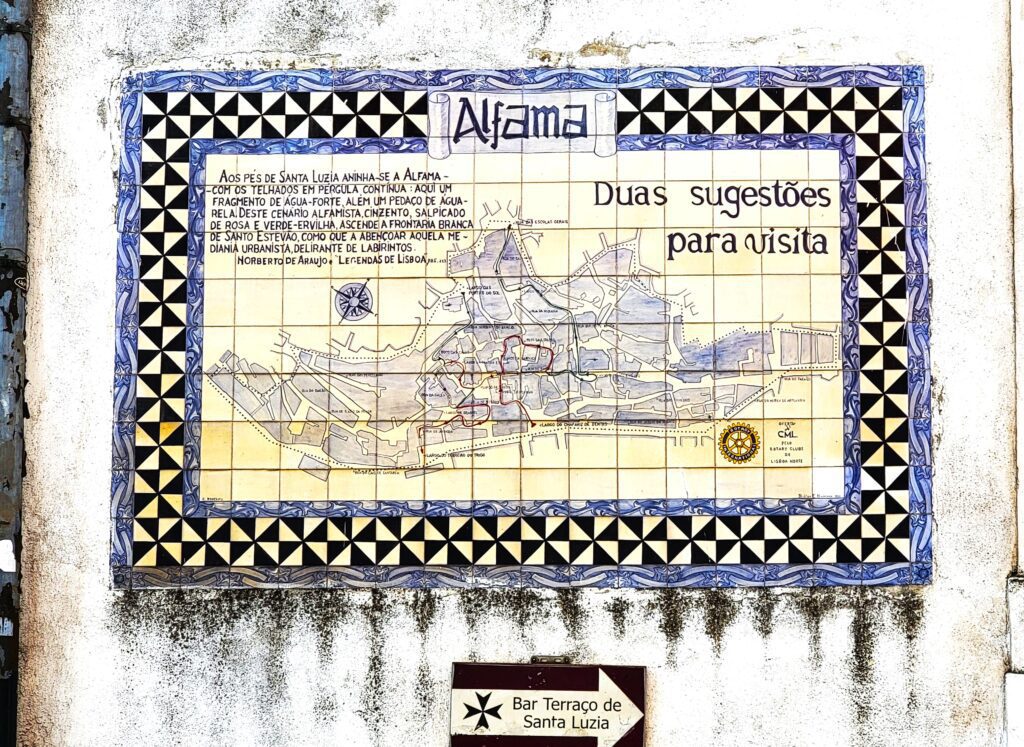
It wasn’t a barrier, just something to be aware of. Having a translation app on your phone—especially one you can use offline—makes those moments easier. Even quick things like reading a posted sign or understanding a menu feel simpler when you have it ready.
Safety and Staying Aware
Lisbon generally felt very comfortable to explore on my own, both during the day and at night. It’s not a city where I felt the need to rush back to my hotel or constantly second-guess where I was walking. Still, having some basic awareness—just like in any major city—made the experience even smoother.
Areas That Feel Comfortable for Visitors
Most of the central neighborhoods people stay in, like Baixa, Chiado, and parts of Alfama, felt relaxed and easy to navigate. These areas stay active into the evening, which helped me feel comfortable walking back after dinner or a tour. The lighting is good, streets are well marked, and there’s usually enough foot traffic to feel settled without feeling crowded.
Pickpocketing and Staying Alert
The main thing to watch for in Lisbon is pickpocketing. It’s not aggressive or intimidating—it’s just something to be aware of in busy areas, especially around viewpoints, trams, and crowded streets.
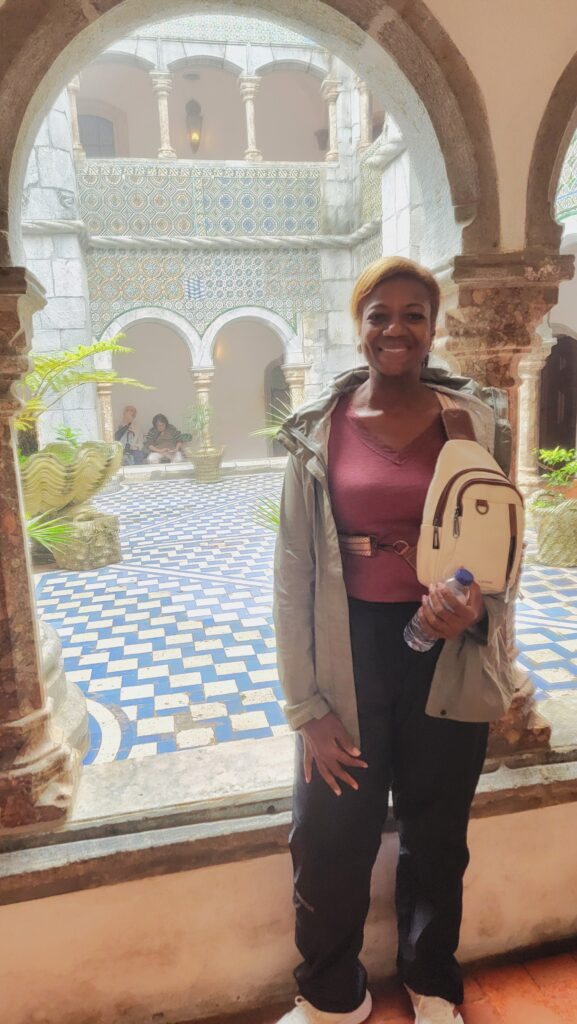
My guides mentioned it more than once, and it was clear that the people who do it are skilled at blending in. Keeping your bag zipped and in front of you in crowded spots is usually all you need.
If you’d like a more in-depth look at safety in Lisbon, check out this post, where I go into more detail.
How to Prep for Feeling Confident on Your Own
A few simple routines helped me feel confident moving around the city: planning my general route before heading out, keeping my bag secure, and staying on well-lit streets at night.
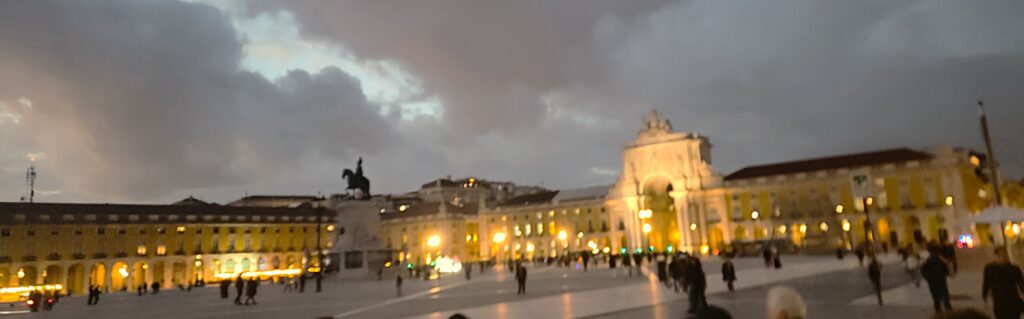
None of it felt restrictive—it was just part of being aware without overthinking. Lisbon really does make it easy to explore alone, as long as you stay mindful in the same way you would in any other major city.
More on Mobility Considerations
Lisbon is beautiful, but it’s not the easiest city for anyone with mobility challenges. The hills, uneven sidewalks, and constant changes in elevation can make even short walks feel more demanding than expected.
I noticed this a lot while exploring on foot—some streets look manageable from a distance and then suddenly turn steep, and many sidewalks have a noticeable slope or irregular stones.
How the Terrain Impacts Mobility
The cobblestones are one of Lisbon’s signature features, but they can be tricky to navigate. They’re uneven in many places, and when it rains, they get slippery quickly. Add in the hills and stairs throughout the city, and it becomes clear why some visitors find Lisbon physically challenging.
It’s worth considering your comfort level before deciding how much walking you want to do.
Choosing the Right Neighborhood
Where you stay makes a big difference. As I said, Baixa is one of the flattest areas, and that’s a big reason why I liked staying there so much. It made walking easier, and most of what I needed was close by. If you want to avoid steep climbs or long sloping streets, choosing a flatter neighborhood keeps your days more manageable and your energy up.
Even if you want to see the hillier parts of the city, you don’t have to walk everywhere. Tuk-tuks, rideshares, and even elevators in certain neighborhoods can help you cover the steeper sections without putting too much strain on your legs. I used Uber when I needed a break from the hills, and it made the city feel more accessible overall.
For a deep-dive on the walkability of Lisbon, head over to this post.
Shopping and Bringing Home Wine
Lisbon is a fun place to shop, especially if you enjoy local products and souvenirs that feel a little more meaningful than the typical tourist items. Portugal is also known for its wine, and it’s very easy to find bottles you’ll want to bring home. Just be prepared—your suitcase might fill up faster than you think.
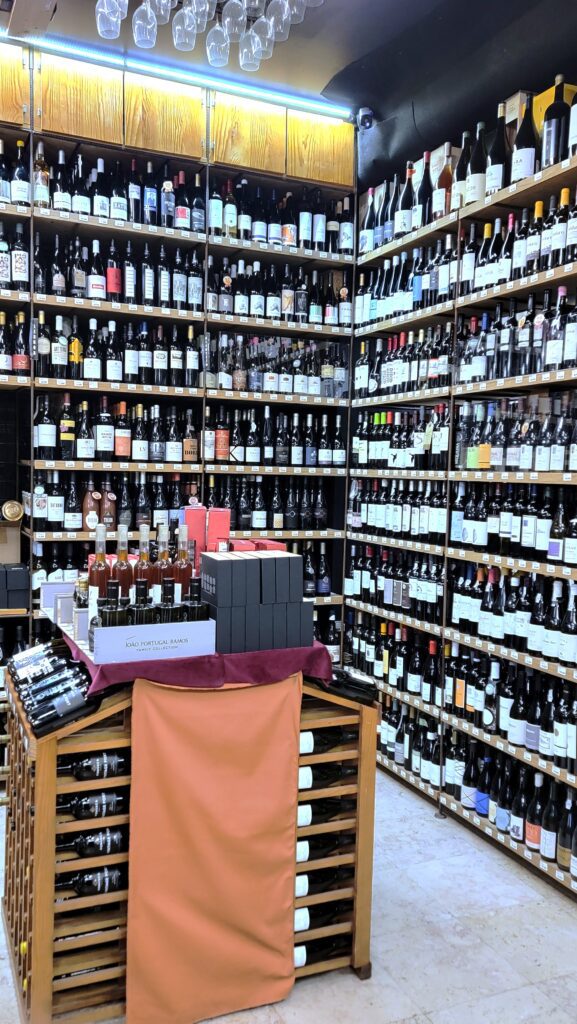
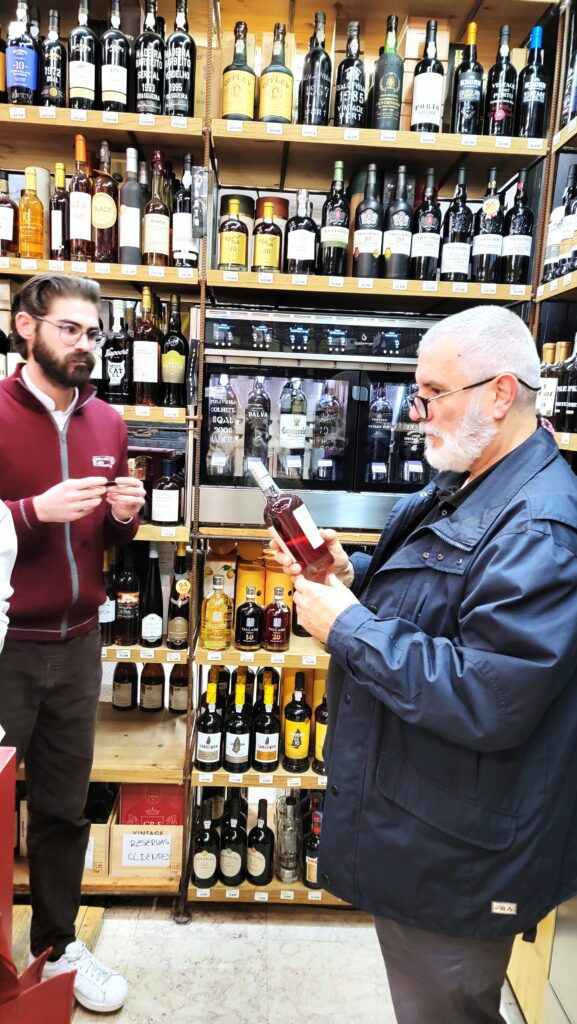
In addition to wine, olive oil, ceramics, and cork products also make great souvenirs if you want something easy to pack.

If you plan on bringing home wine—or anything heavy—leave more space in your suitcase than you think you’ll need. I thought I had left enough room, and I was still surprised by how quickly the weight added up. My bag ended up being overweight at the airport, and I had to pay for it. 😭 A small luggage scale or checking your bag weight before you leave your hotel can save you the same headache.
Tours and Activities That Help First-Timers
One of the things that made my trip feel smoother was how many great tours there are in and around Lisbon. I didn’t feel like I had to figure everything out on my own or rush through a list of sights without context. Every tour I took helped me understand the city better and feel more grounded as a solo traveler.

Tours take a lot of the pressure off, especially on your first visit. You don’t have to navigate unfamiliar streets, worry about missing something, or stress over how to get from one place to the next. I liked being able to listen, learn, and explore without having to constantly check my map. By the time I did things on my own, I felt much more confident.
Walking Tours and Orientation
My first walking tour was one of the best ways to get a feel for Lisbon early in my trip. It helped me understand the layout of the neighborhoods and gave me context I never would have picked up on my own.
It also made the city feel smaller and more manageable the moment it was over. If you’re new to Lisbon, a walking tour is a great way to start your trip.
Day Trips That Are Worth Planning
Some of the most memorable parts of my trip happened outside the city. Sintra and Cascais are two of the most popular day trips, and both are very doable from Lisbon.
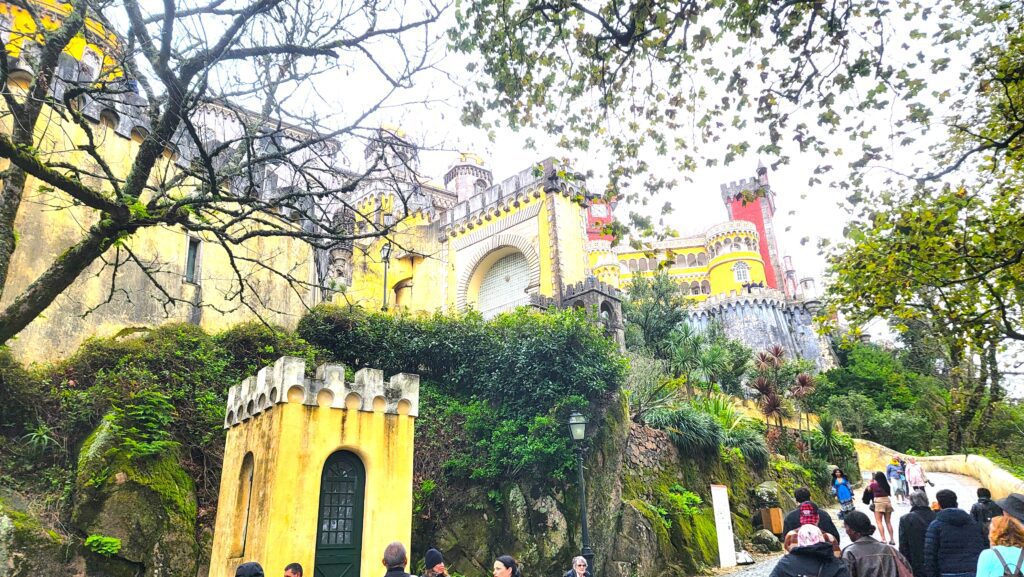
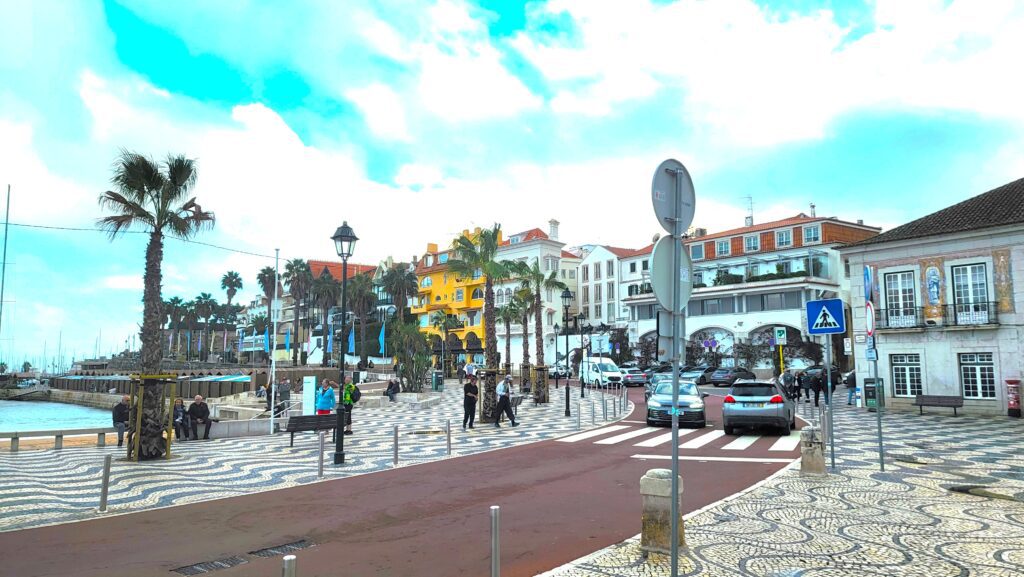
I also did a longer day that included Porto, Óbidos and Nazaré, which was a big day but absolutely worth it. These trips give you a completely different side of Portugal while still being easy to reach.
Tech and Practical Tips for Getting Around
A few simple tools made my time in Lisbon much easier. The city is very walkable, but the mix of narrow streets, hills, and occasional GPS quirks means it helps to have a few things ready on your phone before you go. Nothing complicated—just small tools that save you time and keep you moving confidently.
First off, downloading offline maps before your trip is worth it. There were a few times when my GPS didn’t fully connect, especially on narrower streets, and having the map saved made it easier to keep moving without stopping to troubleshoot. It’s a simple step that makes exploring feel less stressful.
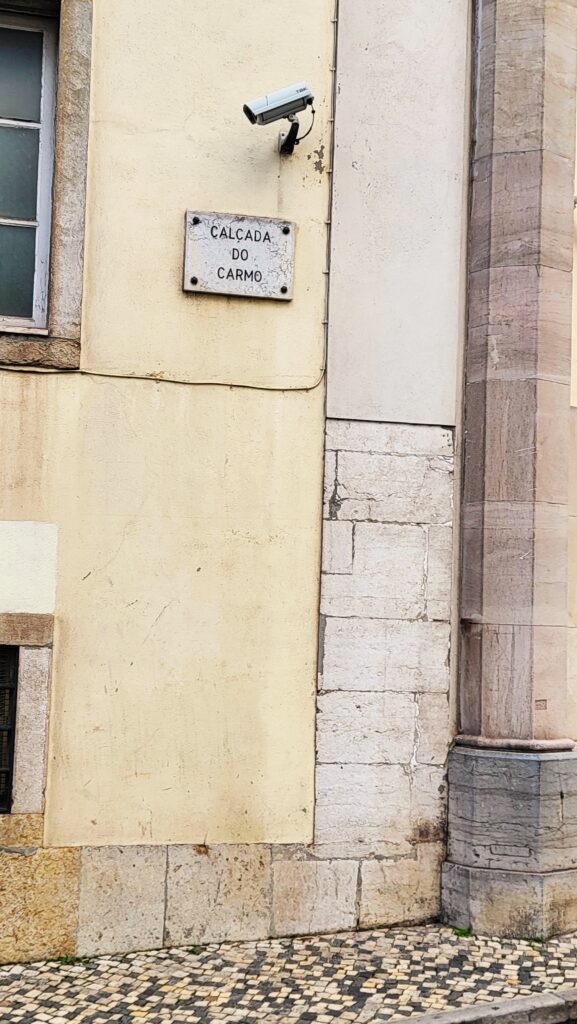
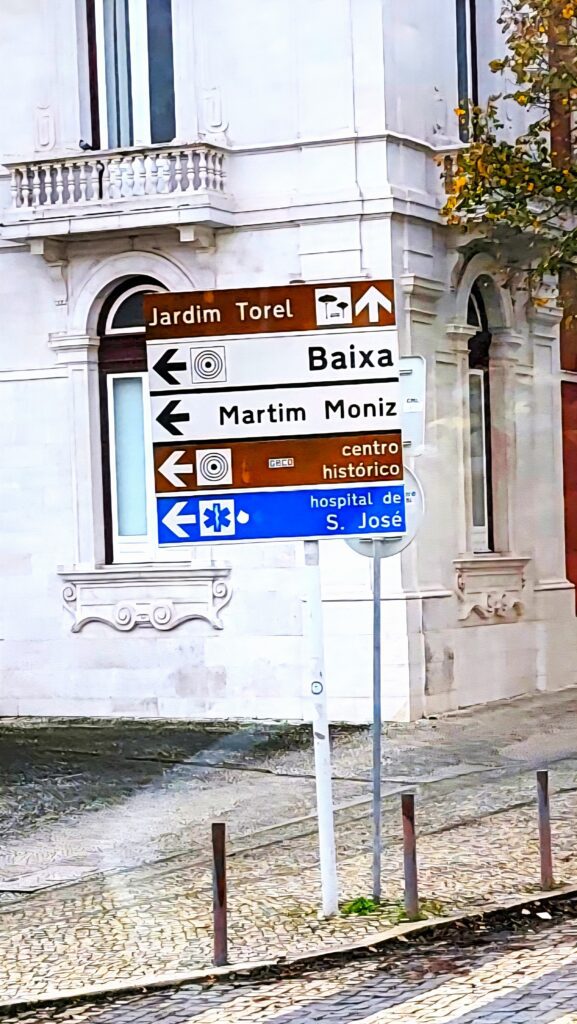
I noticed that the GPS had the hardest time in the older parts of Lisbon, where the streets are tighter and the buildings are closer together. When that happened, I relied on the stone street signs on the sides of buildings, which were surprisingly easy to follow once I got used to them. After a while, I didn’t worry much when the GPS dropped—I could still get where I needed to go.
Helpful Everyday Tips to Make Your Trip Easier
There were a few small things I picked up during my time in Lisbon that made day-to-day exploring a lot smoother. These aren’t big “must-know” items, but they’re the kinds of practical details that help you feel more settled and confident while you’re moving around the city.
Money and Payment Basics
Portugal uses the Euro, and while most places in Lisbon take credit cards, it’s still useful to have a small amount of cash on hand. I found cash helpful for things like small bakeries, local cafés, markets, and anywhere off the main tourist streets.
If you need an ATM, choose Multibanco machines—they’re the standard local ones with fair rates. Avoid the bright blue Euronet ATMs, which tend to charge higher fees and push dynamic currency conversion.
Restaurant and Café Etiquette
One thing to know about dining in Lisbon is the “couvert” system. When bread, olives, or cheese are brought to the table, they’re considered a small starter and usually not free if you choose to eat them.
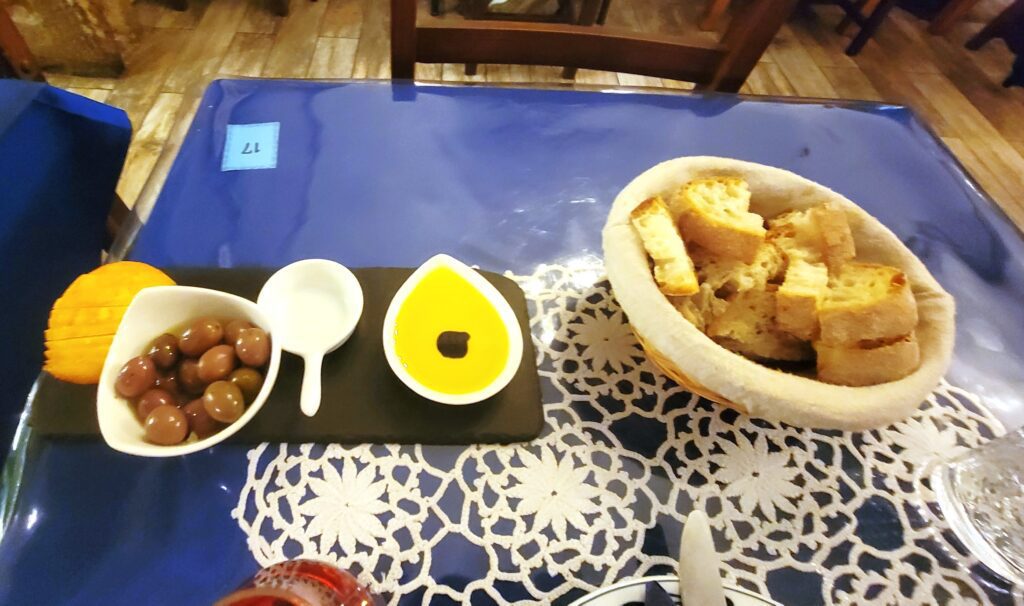
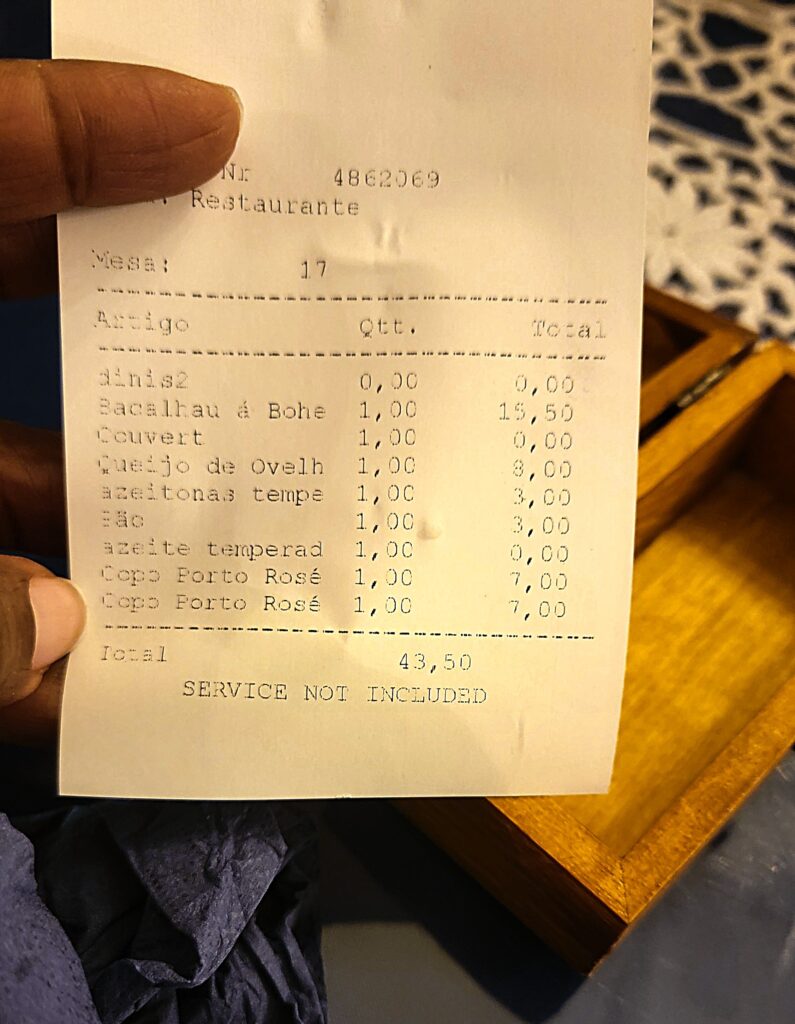
If you don’t want them, you can simply say no, and they’ll take them away without any issue. But once you take a bite, it’ll end up on your bill. In that way, it is not the same as bread that they bring to your table in the U.S. It is a separate charge.
Also, when you’re done eating, you’ll need to ask for the check – servers don’t bring it automatically. It’s nice to not feel rushed. But on the other hand, if you don’t know to ask for the check, you may be sitting there for a long time after you’re ready to leave!
If you like trying local food when you travel, trust your instincts—wander a street or two away from the busiest areas, and you’ll find some of the best meals of your trip. Portugal is known for its incredible food, so it’s hard to go wrong. And the further you get from the more touristy areas, the better!
Accessibility of Major Sights
Some of Lisbon’s most popular attractions are easier to reach than others. Belém is flat and simple to explore, while places like Castelo de São Jorge involve steep walking or stairs.

Many viewpoints (miradouros) also require going uphill, so it helps to check the route ahead of time. If you want to see the hillier sights without the climb, a tuk-tuk or rideshare makes the experience much easier.

Crossing Streets and Navigating Traffic
Lisbon’s hills can make it harder to see cars coming, and the curves in the roads mean drivers may appear around corners faster than you expect. Even at crosswalks, I found it helpful to make eye contact with drivers before stepping out. Most drivers are respectful, but the layout of the city means it’s better not to assume you’ll be seen right away.
Electricity and Chargers
Portugal uses Type F outlets and 230V voltage. If you’re coming from the U.S., you’ll need an adapter. I brought my simple universal adapter, and it worked for everything I needed. Most hotels have plenty of outlets, but having your own adapter saves you the hassle of finding one in a pinch.
Final Tips for a Smooth Trip
After spending time in Lisbon on my own, the biggest takeaway is that the city rewards a little preparation but doesn’t require overplanning. Knowing a few small things ahead of time—like which areas are flatter, how quickly the weather can change, and where to find good restaurants—makes your days easier and lets you enjoy the city without second-guessing every step.
What First-Timers Should Keep in Mind
Give yourself time to settle in, especially on the first day. The hills and cobblestones are real, but once you get used to them, the city feels surprisingly accessible. Staying in a central area helps, as does having a couple of tours lined up so you don’t have to figure everything out on your own right away.
Now that you know what to expect on the ground, the next step is figuring out how you want to spend your time here. Whether you’re looking for an easy way to plan your days or want a little more confidence moving around the city, I’ve put together more Lisbon posts that walk you through all of that.
My 2-day and 3-day itineraries and safety guide are good places to start—they’ll help you shape the trip that feels right for you.
