Best Time to Visit Morocco: The Ultimate Month-by-Month Guide

If you’re wondering about the best time to visit Morocco, here’s the quick answer: spring (March–May) and fall (September–November) usually win out. The weather is warm but not overwhelming, the landscapes are at their most colorful, and festivals add extra energy to the cities.
That said, don’t worry if your own travel dates don’t line up with those months. Morocco is one of those rare destinations where any time is a great time to visit.
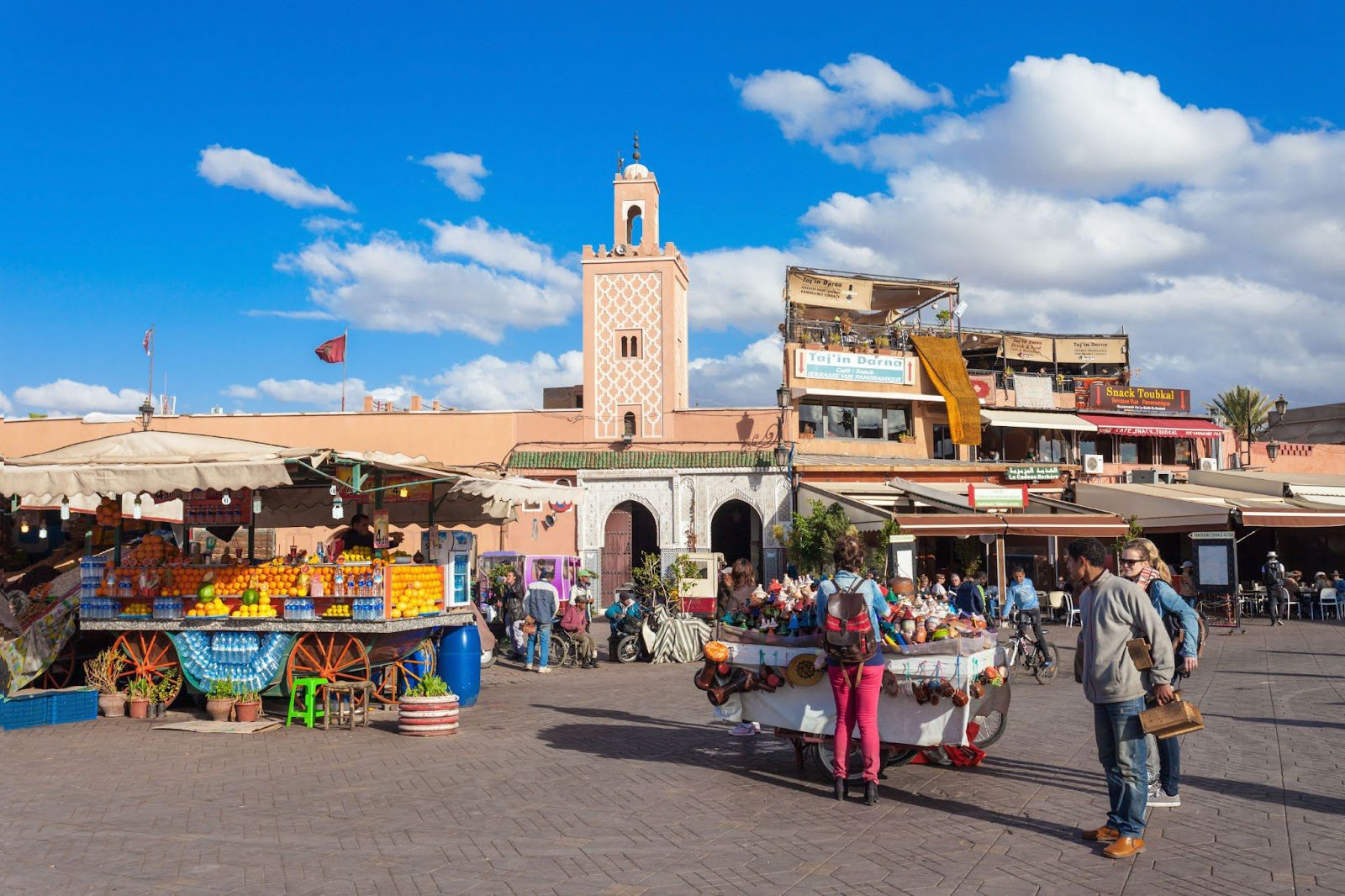
Summer is perfect for coastal breaks in Essaouira, winter brings festive celebrations like Christmas in Morocco, and shoulder months mean fewer crowds in popular spots like Marrakech or Chefchaouen. Families can also make the most of school holidays for a memorable Morocco family holiday.
In this month-by-month guide, I’ll break down what to expect from Morocco’s weather, highlight seasonal festivals, and share which regions shine at different times of year. By the end, you’ll know exactly when to book your trip — and why the best time to visit Morocco depends on what you want most from your journey.
Why Weather and Crowds Matter
One of the things that makes Morocco so special is its variety: you can relax on Atlantic beaches, trek in the High Atlas Mountains, and explore the Sahara Desert — all in the same trip.
Because these regions are so different, the weather in Morocco can vary a lot depending on where you go. Summers can be scorching in Marrakech and the desert, while winters bring snow to the mountains and cool, damp air in the north.

Just as important as the temperature are the crowds and costs. Spring and fall are peak seasons for good reason, but that also means higher hotel rates and busier medinas.
Traveling in the off-season can save money and give you a quieter experience — like wandering the blue alleys of Chefchaouen or unwinding in a traditional Moroccan hammam without the usual bustle.
The best way to decide when to go? Think about what matters most to you: comfort, budget, or avoiding crowds. This month-by-month breakdown will help you see not just when the weather is ideal, but when the overall atmosphere matches the kind of trip you’re hoping for.
Month-By-Month Rundown of Morocco’s Weather, Crowds, and Things to Do
January – Cool Days, Cozy Nights
January is one of the chilliest months in Morocco, but that doesn’t mean it’s a bad time to visit. In fact, it’s a great option if you want lower prices and fewer crowds.

- Weather: Expect mild days along the coast, chilly evenings in the cities, and snow in the High Atlas Mountains. The Sahara Desert gets cold at night, so pack warm layers if you’re heading to a Morocco Sahara Desert Camp.
- Festivals: Early January often includes New Year celebrations, and mid-January marks Yennayer, the Berber New Year, which is celebrated with food, music, and cultural events in Amazigh communities.
- Why visit: Smaller crowds mean more relaxed visits to major cities like Marrakech and Casablanca. It’s also a fantastic time to combine sightseeing with mountain activities, since the High Atlas can be snowy and beautiful.
👉 If you’re considering winter travel, you’ll also want to check out my guide to Christmas in Morocco, which covers seasonal events, decorations, and what to expect during the holidays.
February – Almond Blossoms & Quiet Cities
February keeps the cool winter feel, but with days slowly starting to warm up. If you like a mix of crisp mornings and pleasant afternoons, it’s a good time to travel without dealing with peak-season crowds.

- Weather: Coastal cities like Casablanca and Essaouira are mild, while the High Atlas Mountains may still see snow. The desert stays chilly at night, so pack layers if you’re heading toward Merzouga.
- Festivals: February is famous for the Almond Blossom Festival in Tafraoute, a celebration of music, dance, and craft markets set against pink-white almond blooms.
- Why visit: February is one of the quietest months for travel. You’ll enjoy emptier souks in Marrakech and peaceful mornings exploring the alleys of Chefchaouen. Prices are still low compared to spring, making it a budget-friendly month to plan a Morocco family holiday.
March – Spring Awakens
March marks the start of spring in Morocco, when the landscapes turn green and the weather becomes more pleasant across most regions. It’s a popular month for active travelers who want to combine city exploring with time outdoors.

- Weather: Comfortable temperatures in Marrakech and Fes, with cool but sunny days along the coast. The mountains are still cold at night but great for early spring hiking.
- Festivals: Spring brings smaller regional events, and late March sometimes overlaps with early Jardin’Art Festival activities in Marrakech — a celebration of the most beautiful gardens in the City.
- Why visit: March is one of the best times for photography, as the Rif Mountains around Chefchaouen and the valleys near the High Atlas start blooming. It’s also a good time to begin a longer journey, like the one outlined in my 5 Day Morocco Itinerary, since the weather is easier to manage across different regions.
April – Festivals and Blooming Valleys
April is when Morocco really comes alive. The weather is warm without being too hot, and landscapes in the mountains and valleys are at their most colorful. It’s also one of the best months for cultural festivals.

- Weather: Pleasant across the country. Marrakech and Fes average in the low 20s°C (70s°F), while the coast stays cooler and the desert begins warming up.
- Festivals: April often coincides with the Jardin’Art Festival in Marrakech, celebrating gardens, design, and culture. It’s also the start of the Rose Festival season in the Valley of Roses near Ouarzazate, which runs from late April into May.
- Why visit: April is ideal for travelers who want to balance sightseeing with outdoor adventure. Hike the Rif Mountains near Chefchaouen, wander through rose-filled valleys, or plan time in Marrakech for its cultural calendar.
👉 If you’re planning a spring trip, see my guide on What to Wear in Morocco as a Woman — it’ll help you pack for cool mornings and warmer afternoons.
May – The Sweet Spot
May is often considered one of the very best months to visit Morocco. The weather is consistently warm but not too hot, and the calendar is packed with colorful festivals.

- Weather: Across Morocco, May is comfortable. Expect sunny days in Marrakech, cooler breezes on the coast, and warm but manageable evenings in the desert — perfect for a Morocco Sahara Desert Camp.
- Festivals: The Rose Festival in the Valley of Roses reaches its peak, filling the air with fragrance and music. Essaouira hosts the Gnawa World Music Festival (in May or June), which draws international performers and an incredible crowd.
- Why visit: May strikes the perfect balance of weather, culture, and atmosphere. It’s a great time for family travel, couples, or solo adventurers looking to experience Morocco’s cities and natural beauty in their prime.
👉 If you’re trying to plan across multiple regions, my 5 Day Morocco Itinerary shows how to balance time between cities, mountains, and the desert in a month like May.
June – Music and Summer Vibes
June kicks off the summer season in Morocco, and while inland cities start to heat up, the coast becomes one of the best places to be. It’s also a lively month for music lovers.

- Weather: Expect hot afternoons in Marrakech and Fes, often reaching 30°C (86°F) or more. The Sahara Desert gets very hot during the day, though nights are still pleasant. Coastal cities like Essaouira and Casablanca stay breezy and comfortable.
- Festivals: June is all about music. The Sefrou Cherry Festival near Fes combines food, parades, and folklore, while Casablanca lights up with Jazzablanca, a jazz festival attracting international artists. Essaouira often hosts part of the Gnawa World Music Festival this month.
- Why visit: June is perfect for travelers who want a Morocco family holiday by the coast or music fans looking to combine cultural experiences with beach time. The energy is high, and the atmosphere feels festive across the country.
👉 If you’re planning summer travel, check out my post on the Cost of Travel in Morocco — it’ll help you budget for peak-season flights and accommodations.
July – Hot Days, Coastal Escapes
July is one of the hottest months in Morocco, which makes it a challenging time for inland travel but an excellent choice if you’re heading for the coast.

- Weather: Temperatures in Marrakech and the Sahara Desert can soar above 40°C (104°F). The High Atlas Mountains offer cooler air and are a popular summer retreat. Coastal towns like Essaouira and Agadir are breezy and mild, making them ideal for beach holidays.
- Festivals: July often hosts major music and arts festivals. Casablanca’s Jazzablanca sometimes continues from June into early July, and Marrakech Popular Arts Festival showcases traditional Moroccan music and dance.
- Why visit: July is a great month if you’re looking for a coastal break or mountain escape. Families especially love Essaouira and Agadir for a Morocco family holiday, since the cooler climate makes sightseeing and beach time easy.
👉 If you’re combining coastal Morocco with time inland, my Marrakech Travel Guide will help you plan the cultural side of your trip while balancing the summer heat.
August – Peak Heat, Festival Energy
August is the hottest month of the year in Morocco, and while inland cities can feel overwhelming, it’s also one of the liveliest times to visit thanks to festivals and summer holidays.

- Weather: Expect extreme heat in Marrakech, Fes, and the desert — often well over 40°C (104°F). Coastal areas like Essaouira and Tangier are much more comfortable, with refreshing breezes and average highs around 26°C (79°F).
- Festivals: August is packed with cultural celebrations. The Assilah Arts Festival in northern Morocco transforms the town with murals, exhibitions, and performances. Coastal cities also host summer music festivals that attract both locals and international visitors.
- Why visit: August is perfect if you’re sticking to the coast, where you can combine beach time with vibrant cultural events. It’s less ideal for desert travel, but a good option for families looking for a lively Morocco family holiday by the ocean.
👉 If you’re planning to add city sightseeing alongside your coastal escape, take a look at my post on Things to Do in Chefchaouen Morocco — its cool mountain setting makes it a refreshing contrast to the summer heat.
September – The Sweet Spot Returns
September is when Morocco starts to cool down after the summer heat, making it one of the best months to visit. The weather is pleasant almost everywhere, and the atmosphere feels relaxed as locals return from their own summer holidays.

- Weather: Temperatures in Marrakech and Fes drop back into the comfortable 20s°C (70s°F). The coast remains mild, and the desert becomes manageable again, especially for a Morocco Sahara Desert Camp.
- Festivals: September often hosts harvest-related celebrations and regional cultural events. While not as packed as spring, it’s still a festive month, and the lighter tourist traffic means you’ll enjoy events without the big crowds.
- Why visit: September gives you the best of both worlds — warm, sunny days and cooler evenings, without the overwhelming heat or peak-season prices. It’s ideal for couples, families, or solo travelers.
👉 For trip inspiration, my 5 Day Morocco Itinerary works especially well in September, since you can comfortably cover cities, mountains, and the desert in one trip.
October – Comfortable Days, Food Festivals
October is one of the most popular months to visit Morocco thanks to warm, sunny days and pleasant evenings. It’s also harvest season, which brings food festivals and a relaxed vibe.
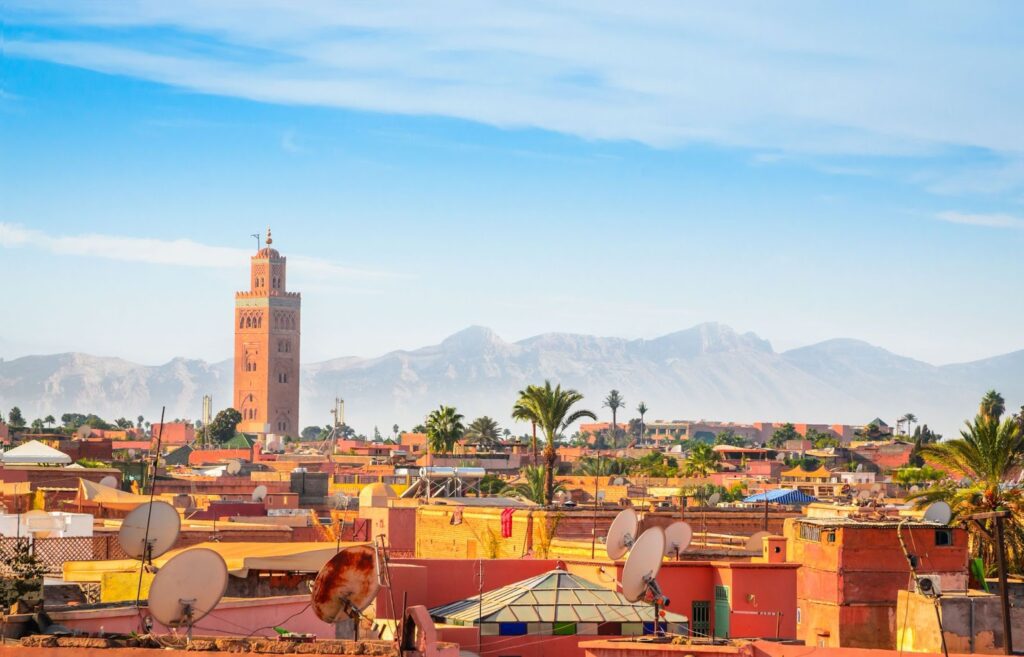
- Weather: Across Morocco, temperatures are comfortable — mid-20s°C (70s°F) in Marrakech and Fes, cooler along the coast, and ideal for desert adventures.
- Festivals: October is saffron harvest season in Taliouine, celebrated with the Saffron Festival (Anmugar Amadal N Zafran), and food markets across the country brim with seasonal flavors.
- Why visit: October is excellent for travelers who want variety: explore Chefchaouen in the Rif Mountains, wander the medinas of Marrakech, or spend a night under the stars in the desert.
👉 If you’re traveling in October, my post on the Cost of Travel in Morocco will help you budget for peak-season flights and accommodations.
November – Quiet Charm
November sees fewer tourists but still offers pleasant weather, making it a good option for travelers who prefer a slower pace.

- Weather: The desert is cool and comfortable during the day, with chilly nights. The cities are mild, and the coast can be breezy. Expect some rain in the north.
- Festivals: The saffron harvest continues in early November, and regional celebrations keep the cultural calendar interesting.
- Why visit: November is perfect if you want to explore Morocco’s highlights — from Casablanca to Marrakech — without crowds. It’s also a good time for hiking in the High Atlas Mountains before winter sets in.
👉 Pair this with my Marrakech Travel Guide for ideas on how to enjoy the city when it’s less crowded.
December – Festive Spirit and Winter Adventures
December brings cool weather and a festive atmosphere. While not the warmest month, it’s a surprisingly popular time for cultural travel and end-of-year celebrations.

- Weather: Days are mild in coastal cities like Essaouira and Casablanca, while nights get cold in the mountains and desert. Snow often covers the High Atlas, making it a scenic time for mountain villages.
- Festivals: December is home to the Tan-Tan Moussem, a UNESCO-recognized gathering of nomadic tribes featuring music, dance, and traditional rituals. Of course, travelers also enjoy Christmas in Morocco, which offers its own unique take on holiday spirit.
- Why visit: December is ideal if you want to mix cultural discovery with seasonal festivities. It’s also one of the best times for budget travelers looking to enjoy Morocco’s cities and coast at lower prices.
👉 For more on what to expect in December, don’t miss my guide to Christmas in Morocco. And if you are open to December in other countries, you can also read about Christmas in Jamaica, Bahamas, or Europe.
Wrapping Up: The Best Time to Visit Morocco
So, what’s the best time to visit Morocco? If you’re still in the deciding phase and can travel any time, spring (March–May) and fall (September–November) usually win out. The weather is comfortable, the landscapes are at their most vibrant, and the festival calendar is full of energy.
No matter when you go, planning around your own priorities — whether that’s comfort, budget, or family travel — will make your trip unforgettable.
If you’re looking for more inspiration, check out my 5 Day Morocco Itinerary for a sample route, my Marrakech Travel Guide for city highlights, or my breakdown of the Cost of Travel in Morocco to help with budgeting.
Rabat, Chefchaoeun, Agadir, and Fes are all worth visiting for their uniqueness. And a visit to Morocco needs to include a visit to the Sahara desert.
In the end, the best time to visit Morocco isn’t just about weather — it’s about the kind of experience you want. And the beauty of Morocco is that every season offers a different, but equally memorable, way to explore it.


